Some of my favorite adventures are ones that I get to experience all the time, like annual family trips to the Florida beaches or exploring the forests of the Fort Worth Nature Center. No matter how many times I get to do them, they never seem to lose their sense of wonder. And then there are those adventures that you only get to experience once in a lifetime. Those times when you know that something like this may never happen again, and you spend every moment trying to soak up as much as you can so you can store it away in a mental keepsake box to have with you forever.
My week with the Maasai was one of those once-in-a-lifetime adventures. It was everything that I wanted it to be and absolutely nothing like what I was expecting. Already it seems like a dream when I start to think about it, as if part of me is still trying to accept the fact that I actually did that. I actually got to spend a week living in a mud hut with lots of bugs (shoutout to all my new daddy longleg friends) and zero electricity, working in the only health clinic in Engaruka and having my world rocked in ways that I’m still trying to process.
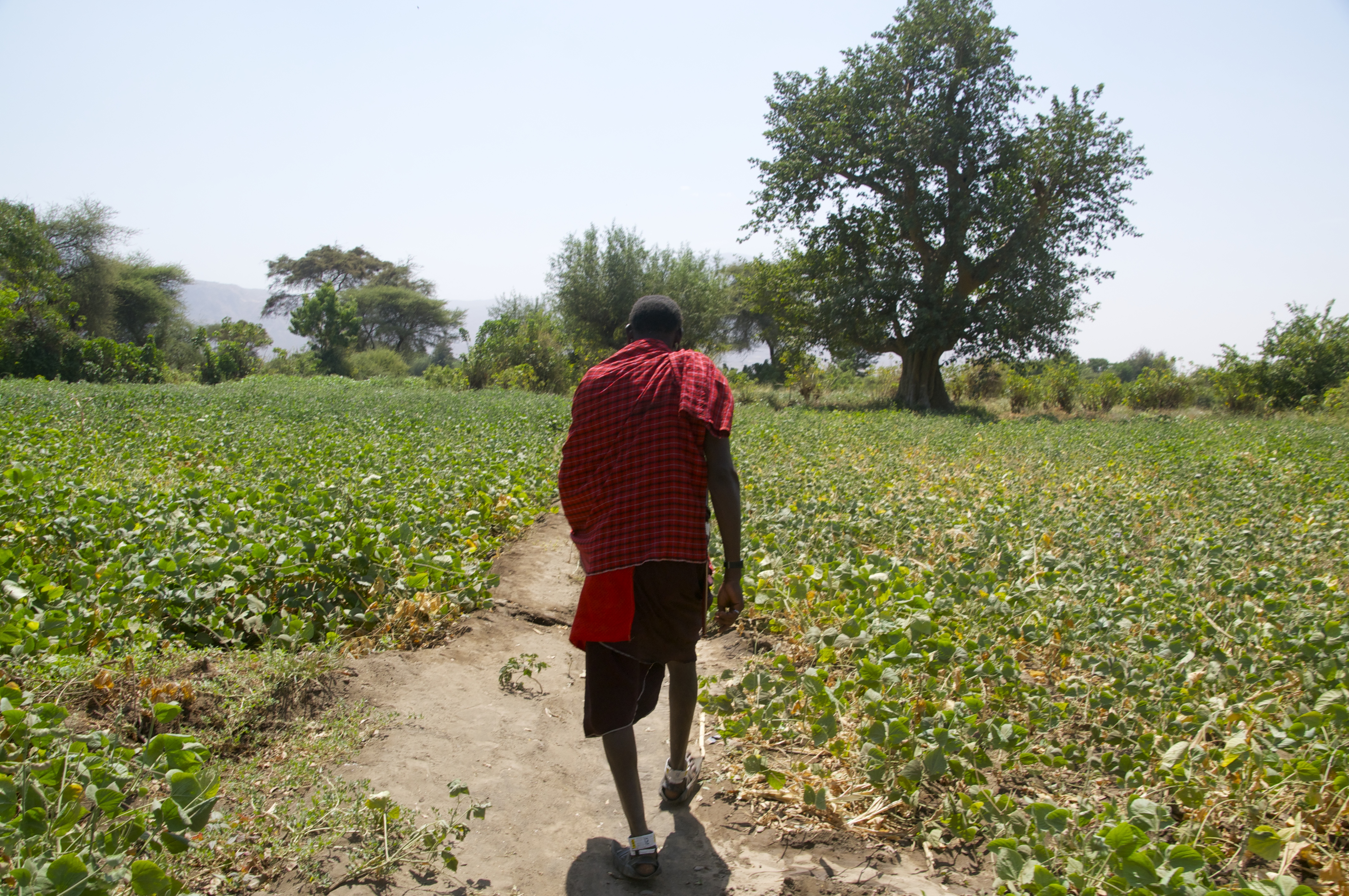
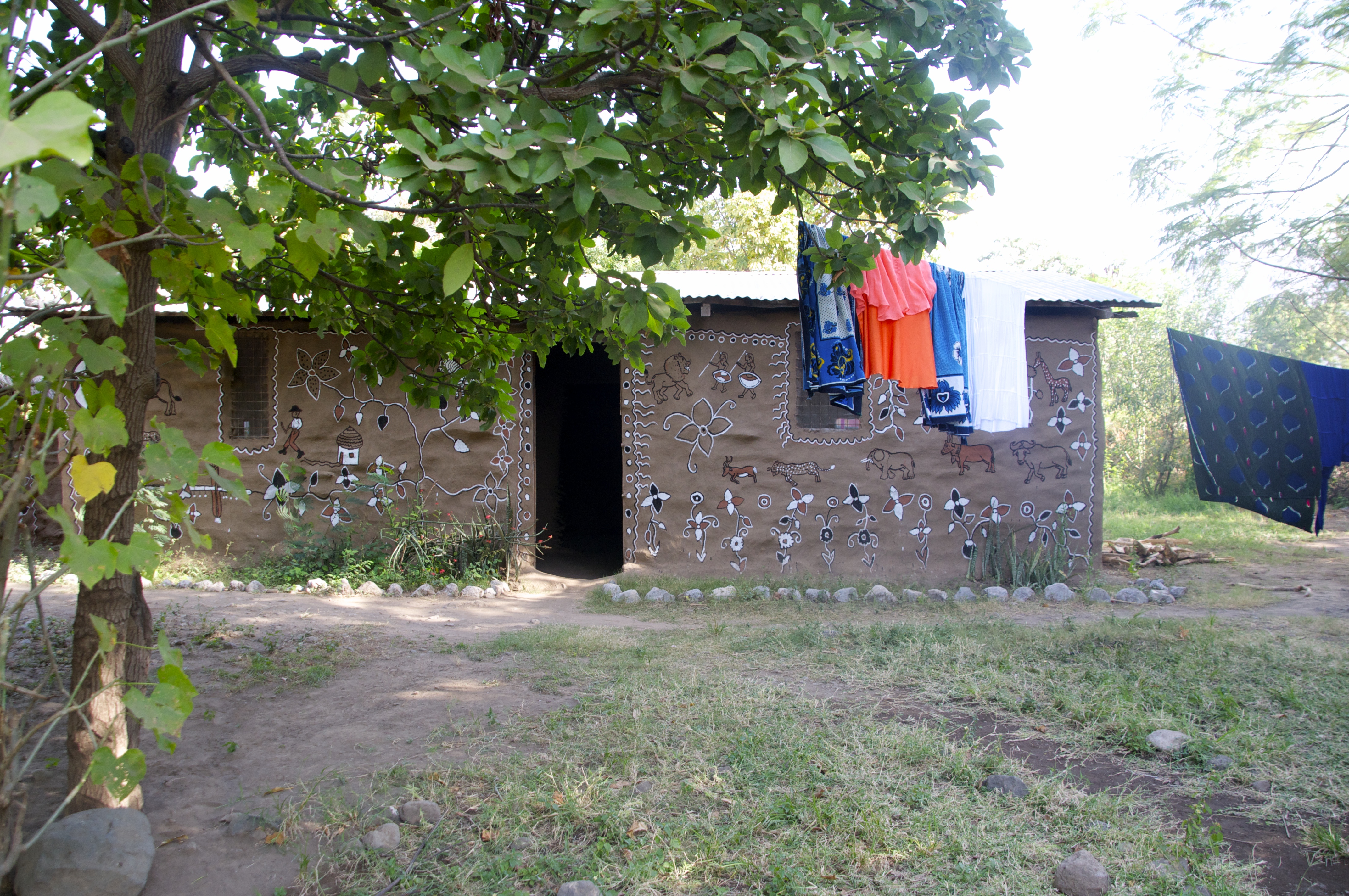
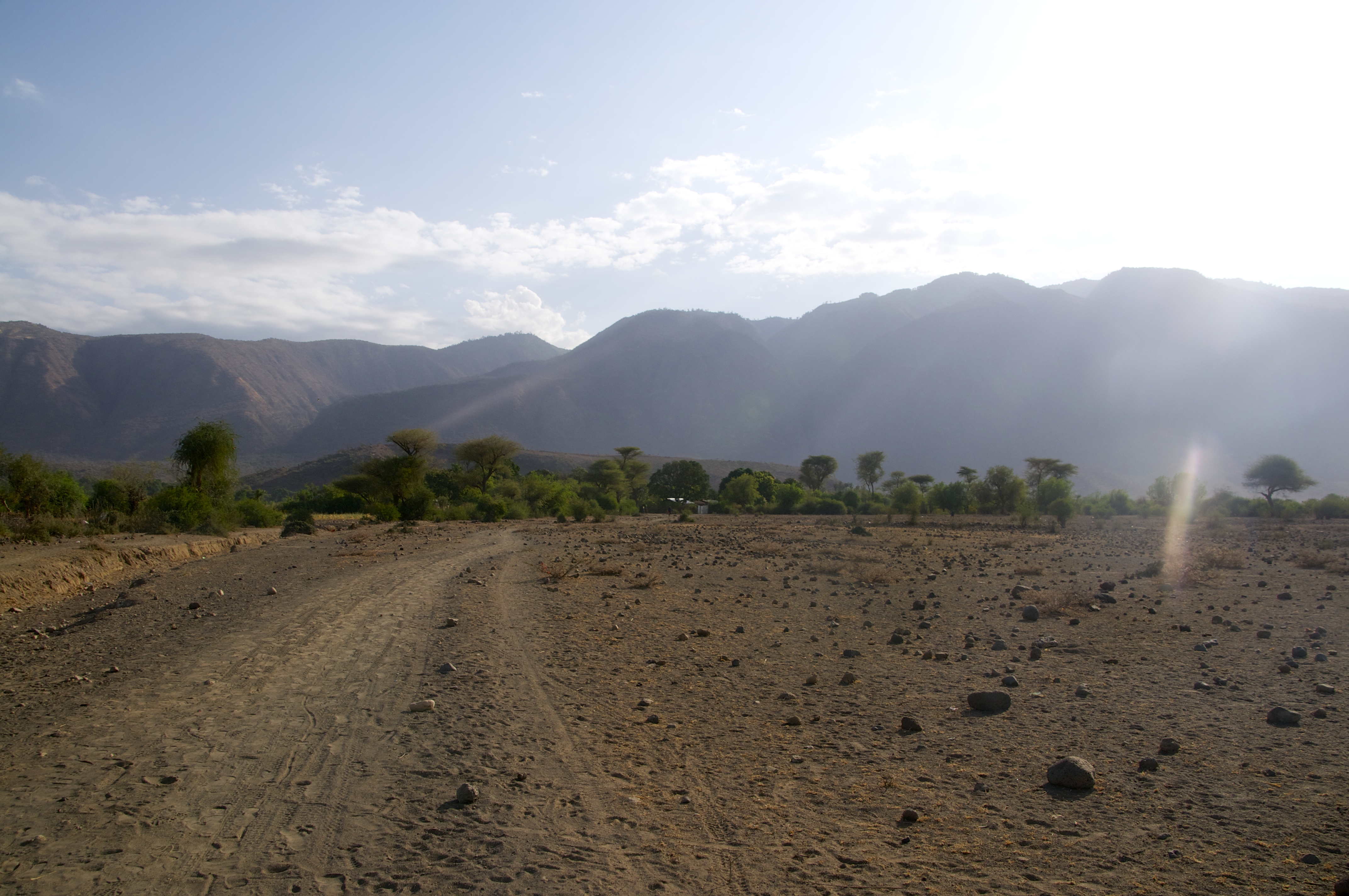
I had pretty scarce background knowledge on the Maasai before I left for the village. I knew the basics about their tribe, such as the large number of people they have dispersed throughout Kenya and Tanzania – an estimated 1 million – and their standard dress code of red and blue shukas (think of them as big blankets worn as clothes) and a tall walking stick that easily stand out in the crowd. I knew that they’ve been around for centuries and are still living an ancient lifestyle, despite the quickly advancing world around them. I knew that they’re one of the few tribes to still have pockets of people practicing female genital circumcision even after the government made it illegal in 1998. Sounds like I’ve got a pretty good handle on these people, right?
Wrong. I thought I knew how their culture worked, but it took a week of simply living life together to see what their world is really like.
Sometimes, the days were incredible. We spent the mornings with Dr. Sanka at the health dispensary helping him diagnose and treat patients. The clinic is the only one in the village of 7,000 and serves at least 10,000 people – all of Engaruka as well as its neighbors in Ngorongoro and Lopendi. We treated an average of 25 patients every morning and saw everything from upper respiratory infections and pneumonia to anthrax and deep flesh wounds from an attempted murder. We got to ask questions, examine patients and help Dr. Sanka find the right diagnosis. We watched as he gave each patient the best treatment he could, despite their limited resources and dwindling storage of medications. Those days in the clinic brought with them a whole new level of heartbreaking and humbling reality.

We would often get patients who had been living with their symptoms for days at least before they finally came in for help. Mothers with children whose vomiting and diarrhea started 5 days ago. Older men who endured their aches and pains for 2 weeks before coming in for treatment. Many of the patients we saw had mild problems, and on that first day it was hard to hold back the judgment that crept forward in my mind, wondering why they were coming in for such trivial symptoms. It only took a couple more days of prayer and observation to finally realize my “mzungu” mistake. These problems that I considered “mild” are ones that I can easily treat on my own at home. Headache? Take a couple Advil. Cough? Stop by CVS on my way home to grab some Sucrets. Stuffy nose keeping me up at night? All I need is some NyQuil to put me to sleep. I have so many over-the-counter medications right at my fingertips and along with the majority of Westerners, I often use them much more than I really need to. In Engaruka, these medications are a luxury. When a woman has terrible aches and pains after working in the field all day, she has nothing to grab to quickly relieve it. When a child is bedridden with vomiting and fatigue, the family’s only options are to try local herbs or make the long trek to the health clinic. This medication isn’t readily available like it is in the States, so they have to see the doctor to be able to get it – or face the consequences of a more serious illness if their body can’t fight it off. Suddenly their diagnoses didn’t seem so trivial.
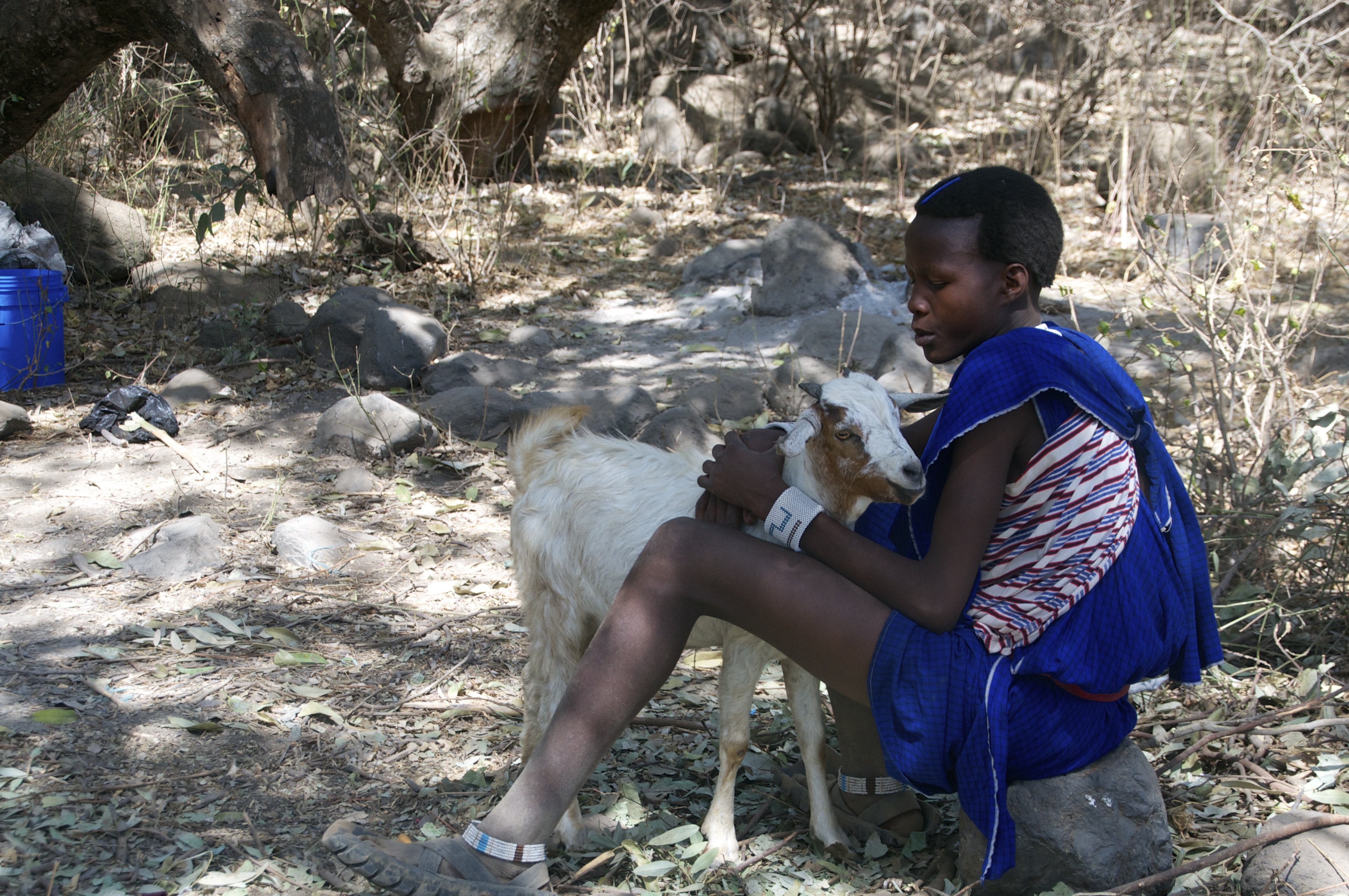
When we weren’t working in the health clinic, we were going on adventures that taught us about the daily life of a Maasai. On Tuesday we trekked up another vertical path (Tanzania loved to remind me that I’m not as in shape as I think I am) and into a sacred refuge of trees to have a traditional goat sacrifice. We watched as the junior warriors of the tribe gathered tree limbs and started their own fire, and only slightly cringed when one of the warriors had to suffocate the goat. Thankfully, there was no gruesome throat slitting or heart stabbing – the Maasai choose suffocation because they believe it’s the most humane way to kill. It made it a bit easier to watch after Emily and I concocted a backstory for our dear friend Billy that left him with a good reason to be sacrificed. (Who else would want to leave the poor guy with terminal cancer and dementia?). The Maasai use the goat sacrifice to treat smaller complaints, many of which are health-related. Contrary to what I believed, no part of the sacrifice is spiritual – there’s a whole different ritual for those matters. This sacrifice is done to gain vital nutrients from the animal in hopes that those nutrients can relieve a person’s illness. They believe these nutrients are found in the goat’s raw kidney and blood supply, so when we got to the dissection that was the first thing to eat. Any guesses as to which one I managed to gulp down? I’ll give you a clue, it was not red. It was pink and squishy and pretty disgusting and if I’d really thought through what I was eating when I took the challenge, I don’t think I would’ve actually done it. But somehow I did, and now I can say that I’ve eaten raw goat kidney. I still can’t decide if I should be proud or embarrassed of that accomplishment…


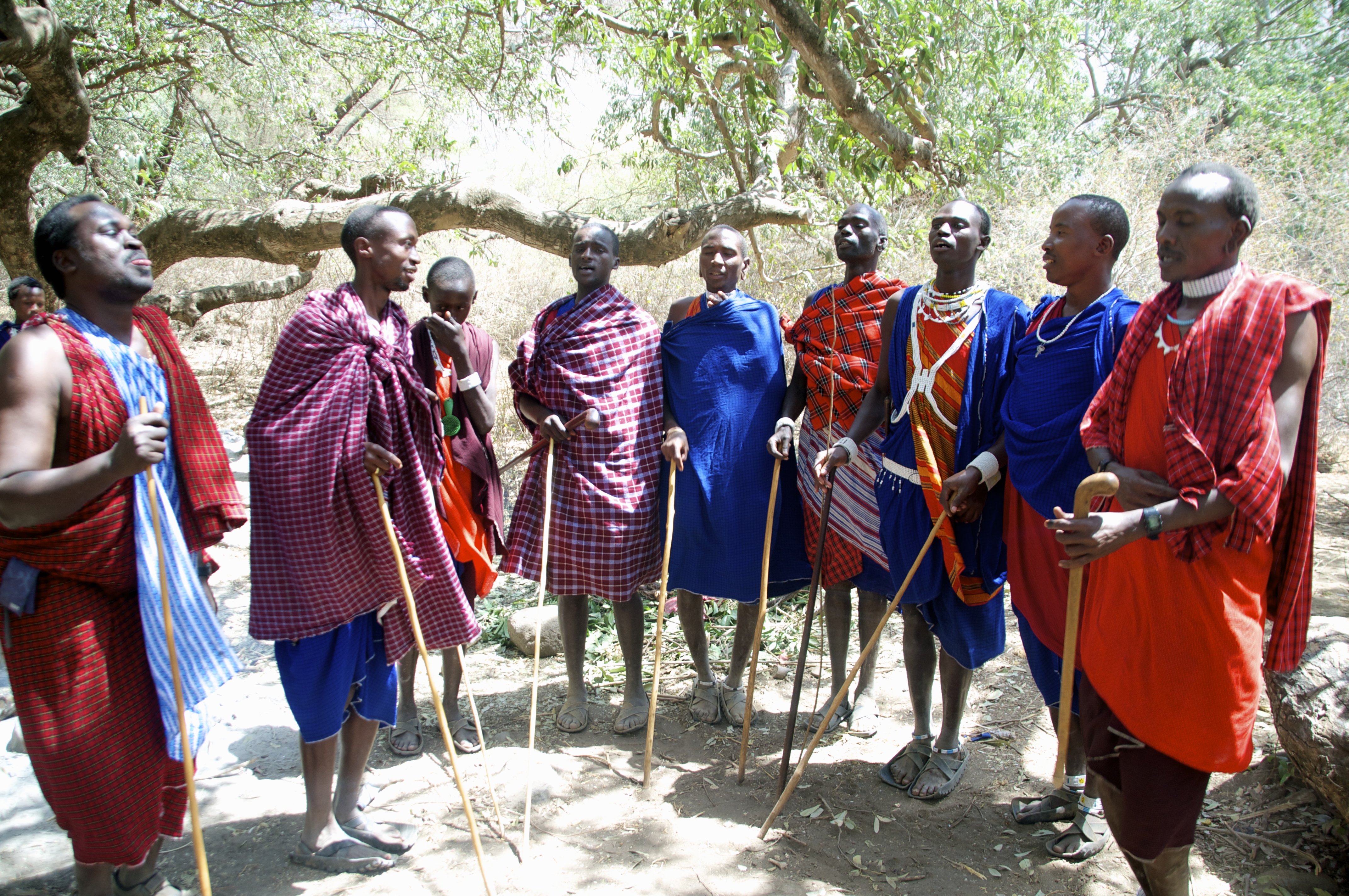
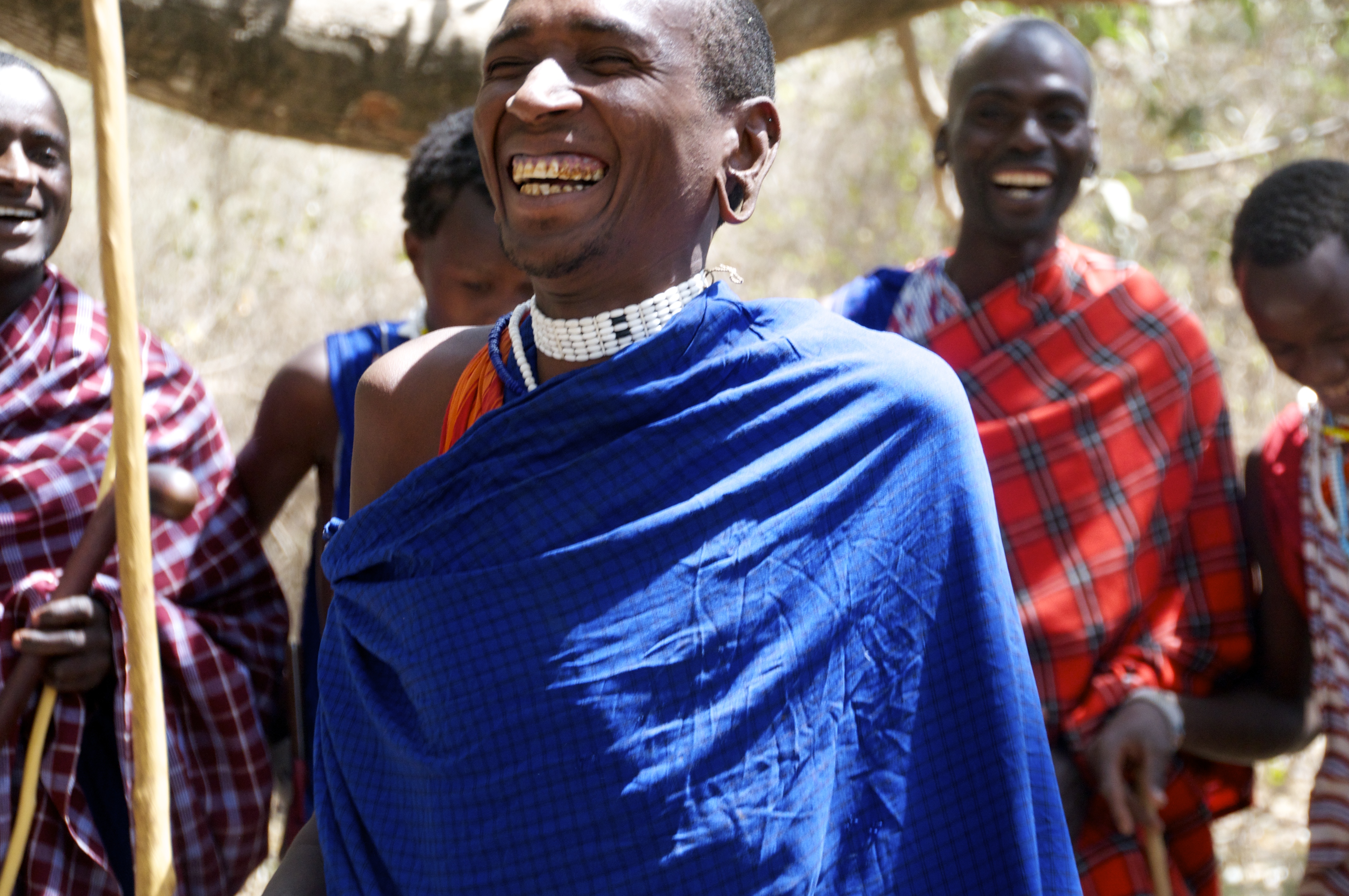
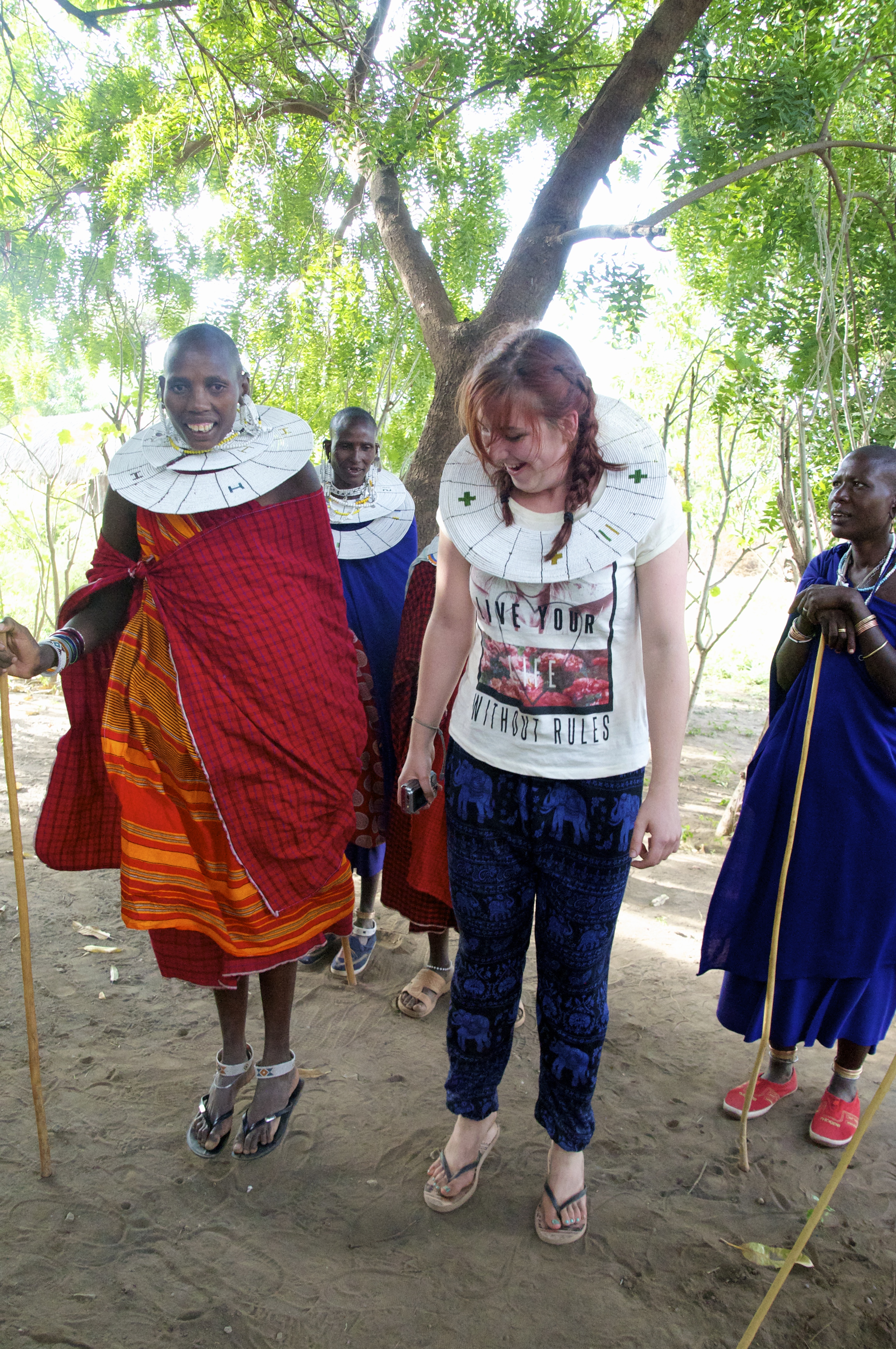
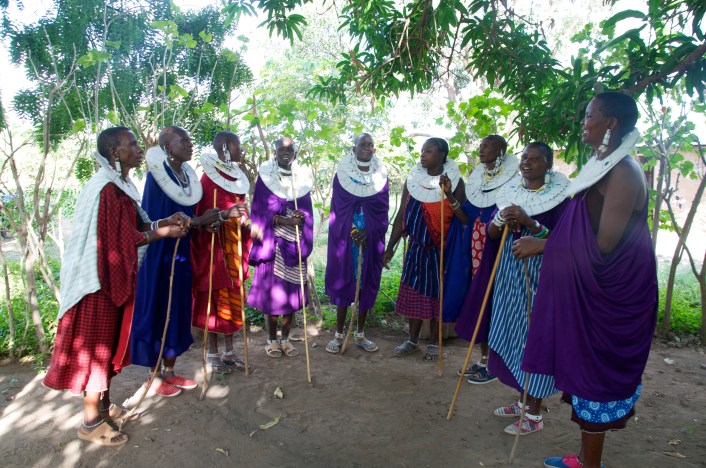
My favorite adventure involved a lot of dancing and a lot of laughter. One afternoon, the Maasai mamas came over to officially welcome us with their songs and traditional dances. Never before have my white girl moves been so hilariously out of place. As much as I love to dance, I quickly realized that God did not bless me with the fluid rhythm that He gave these women. Despite our lack of skill, the mamas did their best to teach us how to dance with the big white necklaces that so often characterize the Maasai women. Little did we know that we’d be using these dance moves to participate in a traditional Maasai “disco” later that day, which is their version of a night club or mixer. The warriors stand on one side of the circle, singing and chanting and taking turns jumping as high as they can to prove their manhood. The women stand on the other side and when the men finish, it’s their turn to dance in the middle and use their moves to try to attract the attention of a warrior. (Those who know me well are probably laughing right now at the idea of me dancing in the middle of a circle of Maasai. It happened, I promise.) These discos can go on for hours and are one of the many ways to find a suitable husband or wife. Luckily, Emily and I didn’t have to make that kind of commitment!


Every moment in the village was an adventure, but not every one was easy. It wasn’t easy to keep my patience on a 6-hour bus ride sitting shoulder to shoulder with strangers and listening to chickens squawk around in the aisles. It wasn’t easy to fight the fatigue that hit every day thanks to the early morning wake-up calls that the roosters loved to give us. It took a lot of willpower to adjust to the Maasai’s slower and simpler pace, with daily “simba time” and a constant question mark over exactly what came next in the day and when it was going to happen.
It wasn’t easy to meet some of the most incredible and strong women I’ve ever met and then learn about their lower place in marriage and in society. There is absolutely no question that the entire Maasai village would crumble without the hard work of the women keeping it together, and yet they get no recognition for it. They get no appreciation or praise for building their own houses, providing and preparing each daily meal, and taking care of their children while the men sit around with their friends and occasionally watch over the crops. Despite their efforts, they get no say in anything – whatever their husband says they must submit to, unless they want to be tied to a tree and beaten or worse, sold to someone else as a wife. They are the sole providers for their households, and we got to sit and watch them bead intricate bracelets and necklaces that help them to buy enough food for one meal a day. Watching these Maasai mamas work and knowing that a few days later I would be going home to a country where women are much more recognized for their worth and are just as important in a marriage as men, was not easy.
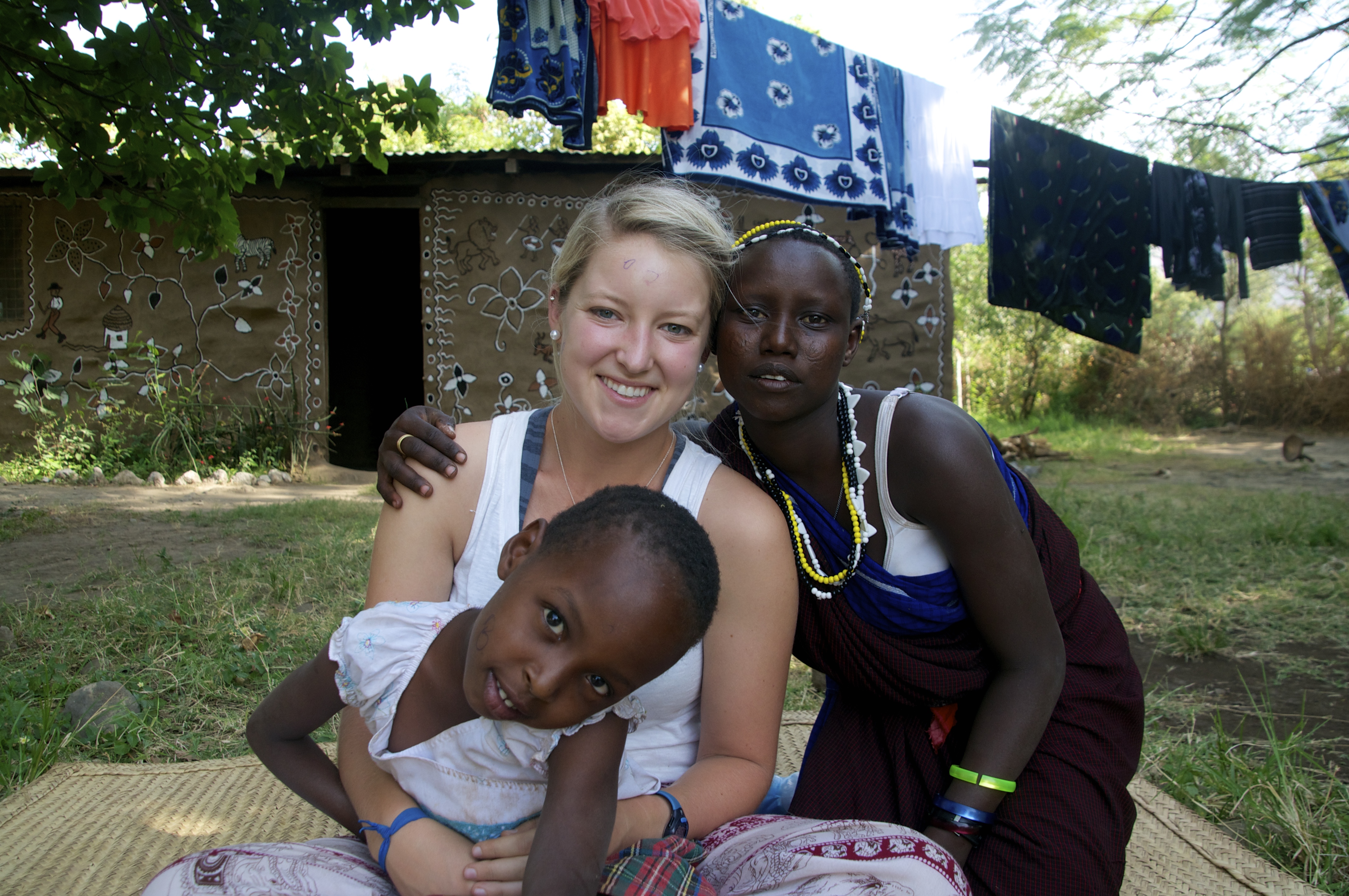
It wasn’t easy to watch children grow up in an environment where they hardly get the chance to be a child. I watched as a young boy walked for miles with his family’s herd of goats and cows to make sure they got enough food and water for the day, while his Western counterparts enjoyed their last days of summer by a pool and went back-to-school shopping with their mothers. I watched young girls carry around their even younger siblings and help their mothers with household tasks, already being given the responsibility that will be expected of them for the rest of their lives. I treated 17-year-old girls who were 8 months pregnant with their 3rd child, who have spent their teenage years learning how to be a mother instead of deciding what college to go to. It wasn’t easy to think of my own privileged background and realize that these children never get to experience the carefree days of simply being young.


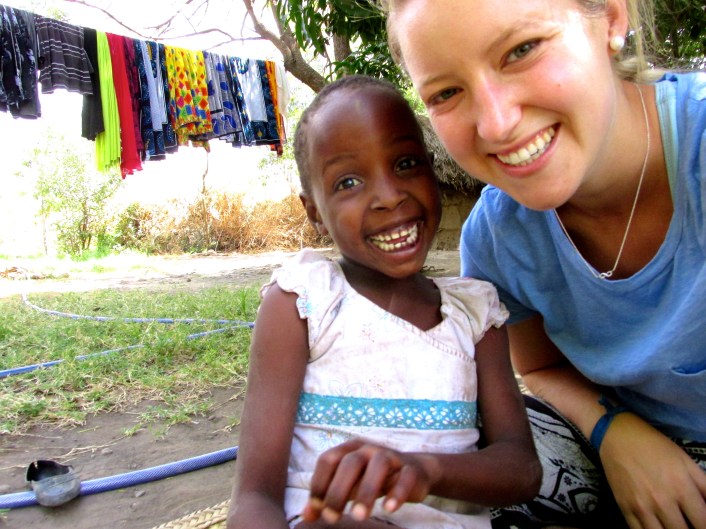
In the best and worst moments, God showed me His limitless sovereignty. He showed me some of the most beautiful joy through Jenifa, Fasila and Wema, some of the young girls who we met at our campsite. In the midst of their role as young women (already) in their society, we got to give them a taste of childhood with silly games and lots of pictures and endless laughter. He showed me His growing presence in a tribe that has rooted its beliefs in nature for so long. In a place where I was expecting to find no one who knew Jesus, I got to talk to Maasai warriors who loved Him just as much as I do and have a passionate desire for the rest of the tribe to feel His love too. He showed me that a life with Him does not always look the same and fit into the typical American church setting that I’ve gotten used to. He is praised just as much through a room full of worshippers on a Sunday morning as He is through a group of singing and dancing warriors on a mountaintop. God spent this week showing me that He is so much bigger than I can fathom, and even in the darkest places His glory still shines. He is working in this tribe just as much as He’s working on my college campus, and He’s using their own people to teach them more about who He is. God’s church here looks so different than it does at home, and that made it all the more beautiful.
Despite my best efforts to make that week last forever, it passed too quickly (as all good things seem to do) and before I knew it I was back at the Arusha house getting ready to come home. My week with the Maasai changed me in ways I’m still trying to figure out and I know I’ll be carrying with me for a long time. Who knows what God’s plans are for my future and whether or not He’ll ever take me back to the Maasai. For now, I am so thankful for the gift of each day that He gave me there and the things He revealed to me that I couldn’t have seen anywhere else. God is so much bigger than I will ever understand and His love toward His people is beautifully endless.
Thank you, Engaruka, for giving me the best week of my life.
– Allie


 A is for Adventure
The pictures alone tell stories of beautiful people in beautiful places enduring joy and suffering and something in between. I have yet to read your pristine prose. But I know the combination platter of words and visuals will give my unvarnished insights into a piece of paradise I would otherwise know nothing about. Thanks to the Maasai and to Nurse/Neice Allie! What an astounding stay you had in Tanzania amidst all the wicked news disseminated by media reports from the entire continent.
LikeLike